Expert Tips for Damage-Free Hair Styling
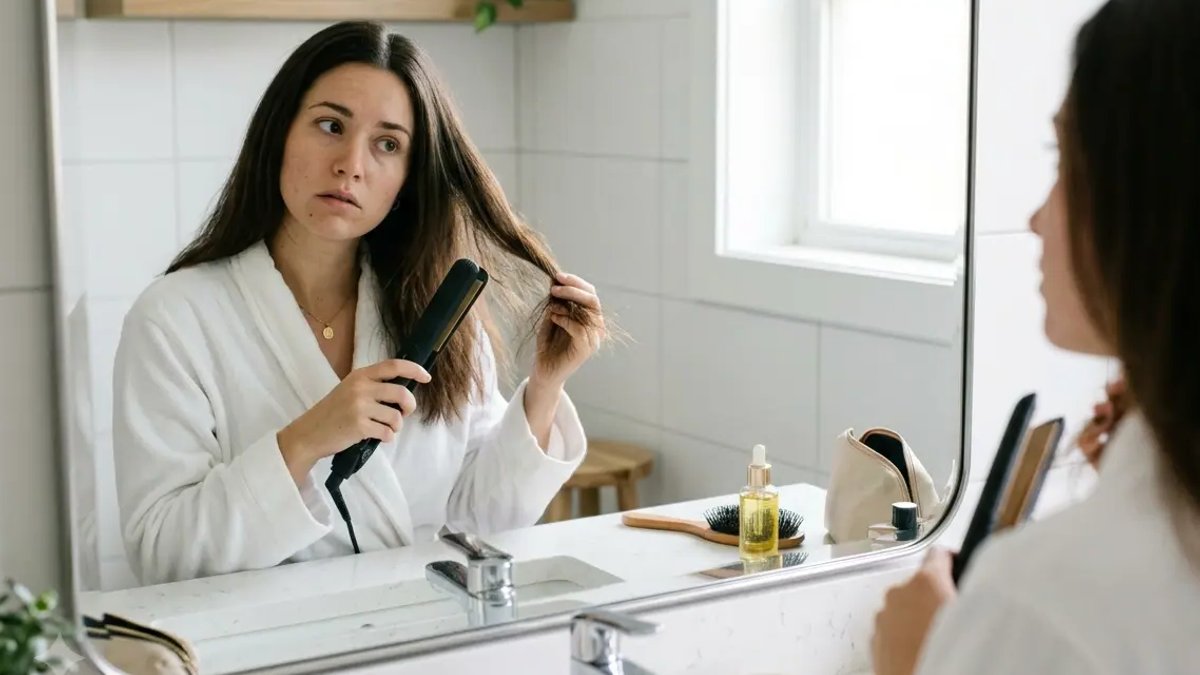
Styling your hair is an essential part of many people’s daily routines, but frequent use of heat, chemical treatments, and improper styling habits can lead to dryness, breakage, and dullness. The good news is that beautiful styles and healthy hair aren’t mutually exclusive. By understanding where the damage comes from and adopting the right techniques and products, you can maintain both healthy hair and a polished appearance.
Understanding Hair Damage
Damaged hair is often difficult to manage and style effectively. Establishing a strong hair care routine can significantly improve both the appearance and resilience of strands. This begins with choosing the right shampoo and conditioner for your hair type, using deep conditioning treatments regularly, and trimming split ends every eight to twelve weeks.
Your diet also plays a role in hair health. Nutrients like biotin, iron, zinc, and vitamins D and E support hair structure and growth from the follicle. No topical product can compensate for a nutritional gap at the root level.
Porosity: The Key to Personalized Hair Care
The same hair advice doesn’t work for everyone because it often ignores the most important variable: porosity. Porosity determines how strands absorb and retain moisture, and it makes identical products and techniques produce opposite results on different people. Understanding porosity is key to establishing an effective routine.
Related: Dust and Debris Can Reduce Smoke Detector Accuracy
Low‑porosity hair has tightly closed cuticles, making it challenging for moisture to enter. High‑porosity hair has raised or damaged cuticles that absorb moisture quickly but lose it fast. Medium‑porosity hair is less common and absorbs moisture at a moderate pace.
Balancing Protein and Moisture
Both protein and moisture are essential for healthy hair, but too much of either can cause damage. Protein overload makes hair stiff, snappy, and brittle, while moisture overload, called hygral fatigue, makes hair mushy, stretchy, and unable to hold a style. The fix for each is the opposite of what instinct suggests.
Deep Conditioning and Porosity
High‑porosity hair benefits from frequent deep conditioning, as it absorbs moisture readily but loses it fast. Low‑porosity hair responds better to heat during conditioning, such as a warm towel wrap or hooded dryer, to lift the cuticle enough for moisture to enter. Without this step, the same deep conditioner that transforms high‑porosity hair leaves low‑porosity hair coated and weighed down.
Scalp Versus Length Disconnect
An oily scalp with dry ends is a common condition.
Related: Mental health awareness through visual storytelling grows
Minimizing Heat Damage
Heat tools like curling irons, flat irons, and blow dryers can create beautiful results, but excessive heat exposure is one of the most common causes of damage. Always apply a heat protectant before using any thermal tool to form a barrier between the tool and the shaft, slowing moisture loss and reducing direct thermal contact. Lowering heat settings and allowing hair to air dry partially before blow‑drying can further reduce exposure.
Choosing the Right Styling Tools
The tools used during styling can significantly impact overall health. For wet hair, always use a wide‑tooth comb to avoid unnecessary stress and breakage. Investing in quality styling tools and keeping them clean can also contribute to healthier habits.
Protective Hairstyles and Hair Health
Constant pulling, brushing, and restyling can place unnecessary stress on strands. Protective and low‑manipulation hairstyles help limit daily wear and tear while still allowing an attractive appearance. Styles such as loose braids, buns, twists, and ponytails can reduce friction and help preserve moisture. This approach avoids excessively tight styles that can strain follicles and potentially lead to breakage or traction‑related loss.
Professional Stylists’ Tips
Some of the most impactful insights aren’t about products or techniques at all. They focus on daily habits most people never connect to hair health. For example, the majority of mechanical damage in people who sleep on cotton pillowcases happens overnight. Using a satin or silk pillowcase can significantly reduce friction and prevent consistent breakage. Additionally, hard water leaves a mineral film on the shaft that dulls color, creates a resistant coating that blocks conditioning ingredients, and makes hair feel rougher. A shower filter and a chelating shampoo can help address these issues.
Related: Medication Management Challenges Rise for Seniors
Understanding the lag time between stress and shedding, identifying the cause of hairline thinning, and reassessing product needs periodically are other important tips that stylists often share with clients. By paying attention to these often‑overlooked factors, individuals can make more informed decisions about care and styling choices.
Choosing Hair Products That Style Without Causing Damage
Hair products play a major role in achieving desired styles, but using too many or selecting unsuitable formulas can negatively affect health. Choice should be based on both styling goals and hair needs. Lightweight styling creams, mousses, and sprays can provide hold and definition without leaving excessive buildup. Clarifying treatments can be used occasionally to remove buildup from styling products and environmental pollutants, helping restore natural shine and improving the effectiveness of conditioners and treatments. It is also wise to pay attention to ingredients, choosing products formulated with nourishing oils, proteins, and moisturizing agents that support healthier strands while delivering styling benefits.
By understanding the myths and realities of hair care and adopting consistent habits and informed styling choices, individuals can enjoy beautiful, manageable hair that remains strong, bright, and healthy for years to come.


