Five Low-Impact Sports Build Endurance Safely
People seeking endurance without joint stress are turning to low-impact sports, which promise cardiovascular gains while sparing knees, hips and lower back.
Swimming and Cycling
Swimming remains a highly complete endurance option. The water’s buoyancy removes almost all impact, letting the body move against resistance. Upper‑body, core and leg muscles all fire, and athletes often report improved lung capacity within a few months.
Because the stroke pattern is repetitive, aerobic capacity builds steadily. Swimmers can adjust intensity by changing pace or switching strokes, making the activity adaptable to beginners and seasoned athletes alike.
Related: Understanding private pet cremation options
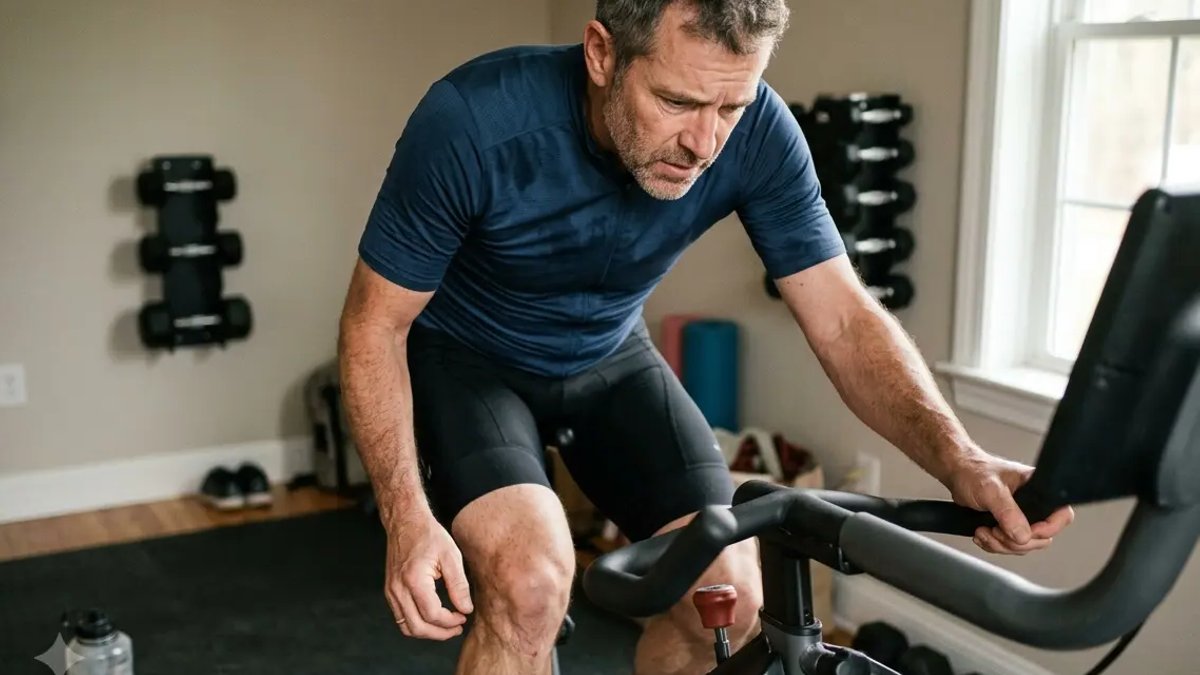
The Patellofemoral Pain Syndrome affects roughly 25% of cyclists, according to a European Journal of Sport Science study that linked low saddle height to increased knee load. Proper bike fit, aiming for a 25‑30° knee flexion at the pedal bottom, mitigates the risk.
Cycling, whether on a road bike, mountain bike or stationary trainer, offers a similar endurance stimulus with negligible joint impact. The rider’s weight rests on the saddle while the legs trace smooth circles, avoiding the pounding that characterizes running.
Resistance can be altered on most setups, allowing progressive overload as fitness improves. Outdoor routes add terrain variety, while indoor sessions provide precise control over intensity and duration.
Research shows that overuse injuries can still arise if mechanics or volume are off. A systematic review cited by NIH found shoulder injury rates in competitive swimmers range from 40% to 91%, with the supraspinatus tendon most affected. Elite swimmers covering more than 35 km per week were four times more likely to develop tendinopathy.
Related: Globe Business Launches AI Data Platform
Rowers also face lumbar strain if they hinge from the lower back instead of the hips. Coaching cues that emphasize hip hinging and core bracing reduce shear forces on the spine.
When training volume climbs without a corresponding increase in intensity, adaptations plateau. Many participants stay in a comfortable aerobic zone, which limits VO₂max improvements after a few months. Shifting a portion of sessions into higher heart‑rate zones can reignite progress.
One cautious observation: athletes who rely solely on comfort may unintentionally overload connective tissue. Even without overt soreness, microscopic damage can accumulate, suggesting that careful monitoring of load and technique remains essential.


