Philippine experts lead regional dengue fight
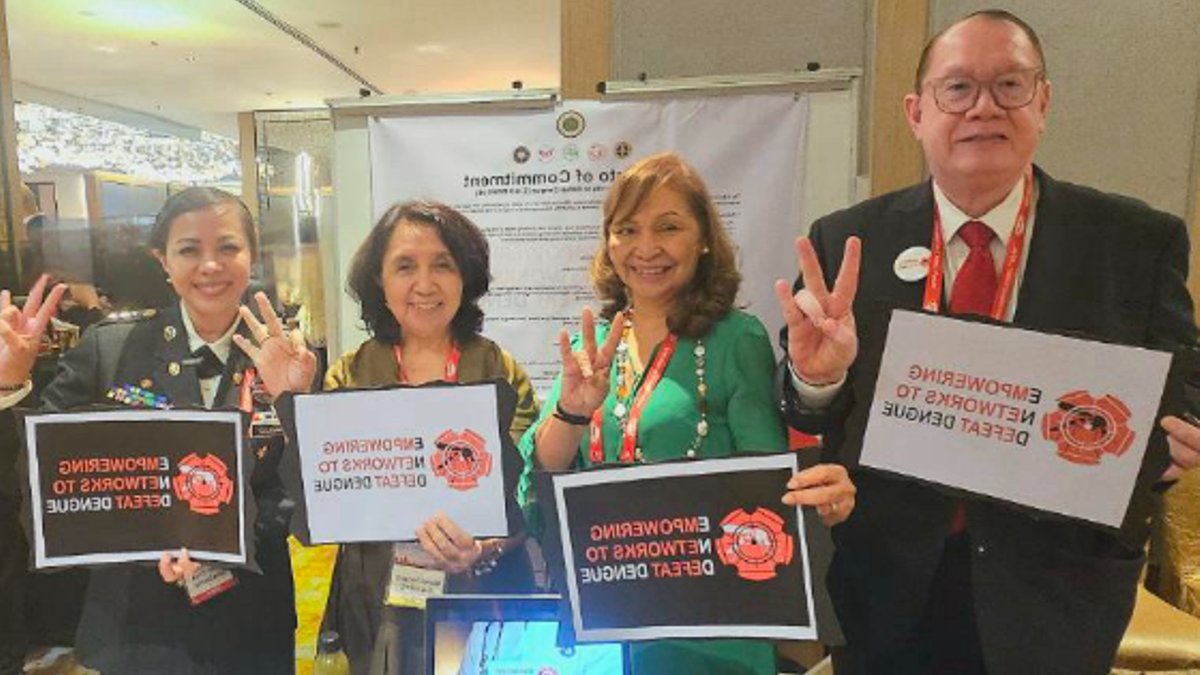
Philippine dengue experts played a prominent role at the Asia Dengue Summit in Singapore, signaling the country’s growing influence in regional efforts to curb Aedes‑borne diseases.
Summit gathers regional leaders for coordinated action
The gathering, timed with ASEAN Dengue Day 2026, brought together policymakers, scientists, public‑health officials and advocacy groups from the Philippines, Malaysia, Indonesia, Singapore, Thailand, Vietnam and other partner nations. Organizers described the event as a platform for ongoing dialogue, knowledge exchange and policy coordination aimed at strengthening dengue prevention and response across Asia.
A key outcome was the signing of a memorandum of understanding among several regional coalitions, including the Asia Dengue Voice G Action Group (ADVA), Dengue Prevention Advocacy Malaysia (DPAM), the Empowering Networks to Defeat Dengue (E.N.D. Dengue Coalition, Philippines), the Joint Coalition Against Dengue (KOBAR, Indonesia), the Singapore Dengue Alliance and the International Society for Neglected Tropical Diseases (ISNTD). The MOU signals a shared commitment to deepen cooperation on dengue control, advocacy and research.
Philippine scientists moderate critical sessions
Dr. Rose Capeding moderated “Symposium 7: Emerging challenges in dengue management,” steering a discussion that highlighted clinical and scientific hurdles in dengue care. Dr. Capeding noted that the session reflected the urgent need to strengthen collaboration across countries and disciplines to improve dengue outcomes, stressing that a mix of clinical, scientific and public‑health perspectives is essential for progress.
Related: EastWest Ageas Aids Filipinos Amid Rising Inflation
Presentations in that symposium covered topics such as dengue and obesity from Sri Lanka, novel biomarkers for severe dengue prediction and post‑acute burden of dengue in Singapore, as well as real‑time continuous clinical monitoring in Vietnam. The research emphasizes the need for better understanding of disease severity and patient impact, reinforcing the value of cross‑border scientific networks.
Dr. Lulu Bravo led “ADVA Educational Symposium 1: Innovations for Aedes‑borne disease control,” a session supported by Bavarian Nordic and the World Mosquito Program. Speakers presented the global evidence base for vector control, updates from the World Mosquito Program and recent findings on chikungunya, emphasizing evidence‑based strategies and the importance of continued monitoring of Aedes‑transmitted illnesses.
The summit also highlighted country‑specific approaches. In the Philippines, multi‑stakeholder communications involve media, academia and medical societies, while Malaysia and Indonesia focused on policy engagement, and Singapore showcased technology‑enabled awareness campaigns. These examples illustrated how diverse tactics can complement a regional strategy.
They suggest that clinicians and researchers may find new opportunities for joint studies, shared data platforms and coordinated training programs. Such collaboration could translate into more uniform treatment guidelines and faster dissemination of breakthroughs to frontline health workers.
Related: Everest Medicines expands portfolio with Sumecigrel in Asia-Pacific
Organizers said the summit’s platform is intended to support policy dialogue, prevention and control efforts, and coordinated planning among public‑health, research, healthcare and funding partners.
As the program concluded, participants expressed appreciation for the contributions of speakers, attendees and supporters who helped shape the regional effort. They set a foundation for more integrated dengue initiatives in the coming years, with the newly signed MOU and the highlighted research serving as a basis for future collaboration.
Dr. Capeding and Dr. Bravo are part of a broader community that is working to address the challenge of dengue and other Aedes-borne diseases, and their involvement in the summit reflects the importance of international cooperation in this area.


