Sleep Safety for Vulnerable Loved Ones
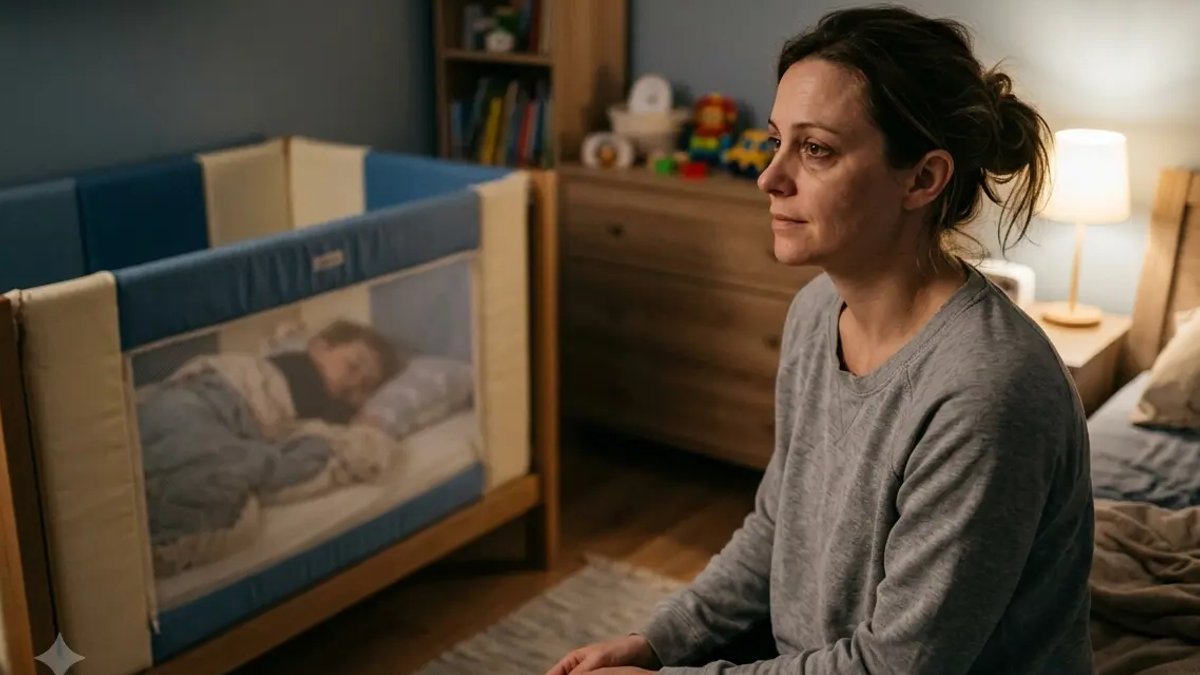
For many families, bedtime is the most stressful part of the day, especially when caring for a child or adult with complex needs, such as climbing, wandering, or seizures.
The hours after lights-out can be a shift, rather than a break, for caregivers who must ensure their loved one’s safety, making bedtime a challenging time.
Sleep Deprivation’s Impact on Family Caregivers
Ongoing sleep deprivation is linked to higher blood pressure, weakened immunity, weight gain, and a measurable drop in mental health, according to research, putting caregivers’ own health at risk.
Caregivers who lose sleep protecting someone else are making it a two-person problem, as the safety of the person being cared for and the caregiver’s own long-term wellbeing are closely tied.
Solving one problem poorly can erode the other, highlighting the need for effective solutions to ensure both the caregiver and the person with complex needs receive proper care.
Limitations of Standard Bed Rails and Gates
Standard bed rails, baby gates, and mattress-on-the-floor setups can fail in critical moments, such as when a determined climber gets over the rail or a gate doesn’t protect a person mid-seizure.
These solutions were designed for typical situations, not complex needs, which can lead to accidents and injuries, especially for children with autism who may be prone to nighttime wandering.
Nighttime wandering, or elopement, is a significant safety risk, and the National Autism Association documents the frequency of wandering-related emergencies, which can be difficult to catch in time.
Sensory Needs and Nighttime Safety
For individuals with sensory processing differences, an open, echoey bedroom can be overwhelming, disrupting sleep quality, and research confirms that environmental triggers can directly affect sleep.
This can make it harder to settle down and increase the risk of nighttime incidents, as a poor sleeper is more restless and mobile, increasing the risk of accidents.
Related: LG Xboom Boosts Fan Energy at Kpop Stage
Safety and comfort are closely related, and addressing sensory needs is essential for creating a safe sleep environment, which is critical for overall health and wellbeing.
Specialized Equipment for High-Risk Sleepers
Purpose-built safety beds are designed for people who climb, wander, or experience seizures at night, combining reinforced padded panels, soft sturdy sides, breathable materials, and viewing panels.
These beds provide a safe and comfortable environment, and working with a safety specialist can help create a customized solution that meets the individual’s needs.
This approach can make a significant difference in reducing risks and improving sleep quality, as small design choices can add up over years of daily use, making a significant impact on the caregiver’s long-term health.
Height adjustment is also important, as it can reduce caregiver musculoskeletal injuries during transfers, and it is a key consideration when selecting specialized equipment.
Building a Healthy Bedtime Routine
Equipment is only part of the solution; a consistent bedtime routine is also essential, and the American Academy of Pediatrics recommends a predictable wind-down process.
This includes low-stimulation activities, dimmed lights, and reduced screen time, and other factors, such as temperature, comfort, and daytime habits, can also affect sleep quality.
Coordinating with medical teams and using resources like the CDC’s epilepsy management guides can help families create a sleep plan that meets their needs, and choosing specialist sleep equipment is a proactive step in promoting safe sleep.
Families who make this change often report fewer scary moments at night and a calmer household during the day, as safe sleep is essential for both the person with complex needs and their caregiver.
By addressing sleep safety and quality, families can create a more supportive and loving environment for everyone, which is critical for overall health and wellbeing.


