African Union urges health spending after HIV disruptions
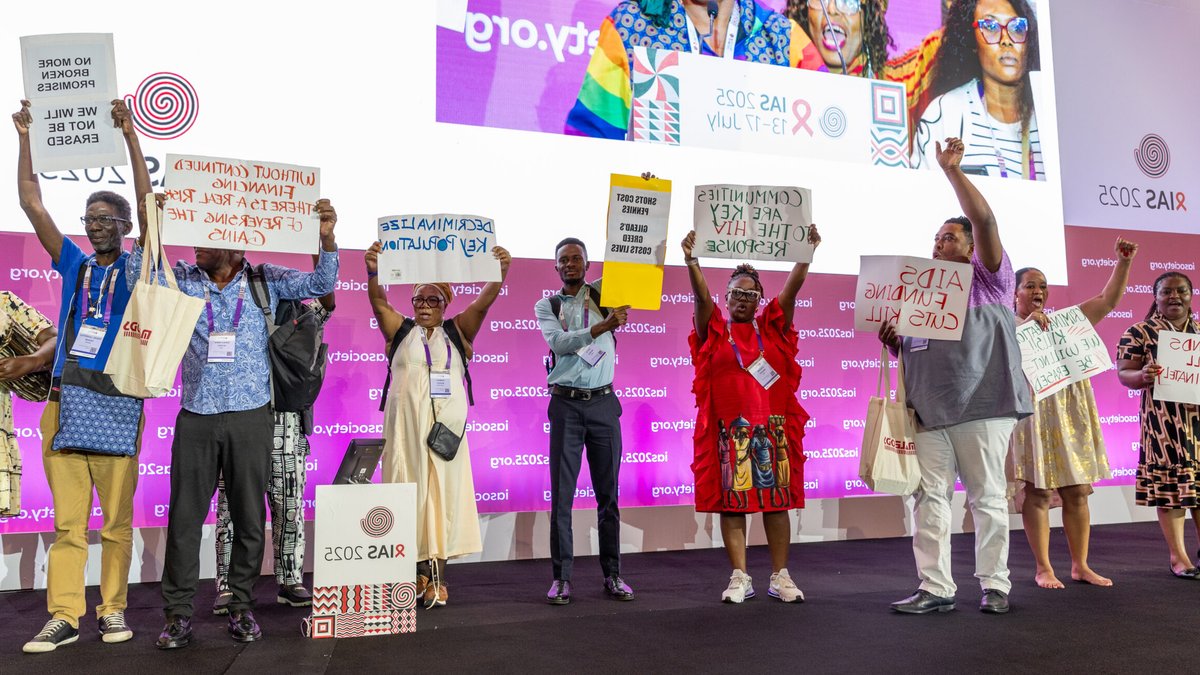
The African Union’s health summit this week called for a sharp increase in domestic spending on HIV, tuberculosis and maternal health, a move prompted by new reports showing severe disruptions to treatment programs worldwide.
Study findings expose steep declines in HIV care
A study released by the Foundation for AIDS Research (amfAR) found that 1,714 HIV service sites closed, including more than 1,000 public health facilities. The analysis, based on a survey of 166 PEPFAR implementing partners across 46 countries, revealed that over half of the partners had at least one grant terminated, and three‑quarters faced work restrictions.
Partners reported shortages of essential supplies: 23 % could not obtain condoms, 22 % lacked pre‑exposure prophylaxis (PrEP), and 20 % were unable to secure antiretroviral drugs. A separate review of PEPFAR data for fiscal year 2025 showed that 77,163 fewer children living with HIV received treatment compared with the previous year, a 14.2 % drop.
Related: Cancer drains livelihoods in India
The hardest hit was South Africa, where treatment support fell by 45 % as 30,880 fewer children accessed PEPFAR assistance. Declines were also recorded in Uganda, Haiti, Zambia and Kenya. The United States plans to end all PEPFAR aid to South Africa by early next year amid political disagreements.
AU leaders push for home‑grown health financing:
Funding gaps remain large.
In practice, shifting funding to domestic sources could mean that ministries of health in countries like Kenya and Uganda allocate more of their own budgets to buying antiretroviral drugs, rather than relying on external grants that may be unpredictable. This could stabilize supply chains and reduce the risk of sudden service closures that have plagued many communities.
Global context and UN response
These African Union efforts come as the International AIDS Society prepares to open its global conference in Rio under the theme “rethink, rebuild, rise.” The conference coincides with a severe funding crisis for the Joint United Nations Programme on HIV/AIDS (UNAIDS). The UN Secretary‑General’s UN80 strategy proposes “sunsetting” UNAIDS by the end of the year and integrating its functions into other UN entities by 2027.
Related: Taipei Wins Global Biotech Hub Status
UNAIDS has already cut its staff by roughly 55 %, and its Geneva headquarters have been dramatically downsized. The Programme Coordinating Board (PCB) has created a working group to outline how UNAIDS will transition within the UN system, while stressing the need to preserve core functions and community involvement.
UNAIDS Executive Director Winnie Byanyima told the PCB that, despite a “complex global political context,” the agency retains a unique ability to rally worldwide support for ending AIDS as a public health threat by 2030. She cautioned that achieving this goal will depend on people, communities, and courageous leaders, not just institutional frameworks.
While the AU summit focuses on increasing domestic resources, the broader global health situation remains uncertain. The combination of U.S. funding cuts, UN restructuring, and the reported service disruptions highlights the urgency for African nations to build more resilient, self‑sufficient health systems.

Cancer drains livelihoods in India


