Cancer drains livelihoods in India
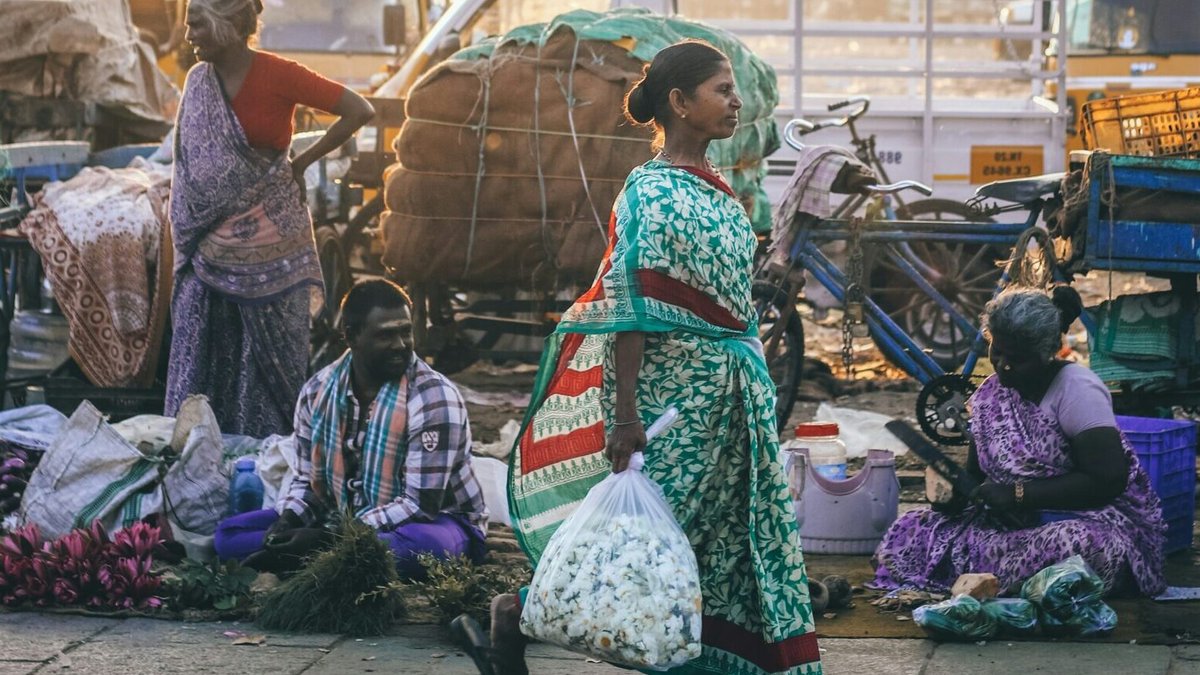
India’s rising cancer survival rates have not brought economic security for many patients. Survivors often deal with high treatment costs, workplace bias, and weak legal safeguards, leaving them caught between illness and financial hardship.
Treatment costs push survivors into debt
Delhi lawyer Deeba Fariyal, 27, received a rare soft-tissue cancer diagnosis six years ago. Synovial sarcoma, which usually affects young adults, has returned six times. Targeted therapy now costs her over $120 per dose, while private hospital treatment can surpass $30,000.
Fariyal explained that most patients skip government hospitals due to long waiting lists. “If you’re diagnosed with Stage 1 cancer, by the time your appointment arrives, you could be in Stage IV.” Tumors in her lungs and spine, worsened by Delhi’s air pollution, complicate daily life. Yet she described the financial strain as the most difficult challenge.
A 2009 study found 33.8% of cancer survivors were unemployed, compared with 15.2% of those without a history of the disease. Specialists note the gap has grown as treatment expenses increase and affordable care remains limited. The country reports over one million new cancer cases each year, with an estimated 2.1 million survivors as of 2017-18.
Workplaces turn survivors away
Richa Rana, 36, believed her struggle ended after surviving breast cancer in 2022. Instead, she encountered another obstacle: maintaining her job. Her employer put her on unpaid leave for nearly six months during treatment. Upon returning, she was told the company wanted to end her employment—despite HR acknowledging her performance had never been an issue.
Related: Cathedral Engagement Ring Settings Guide
Rana lost her position because she took two medical leaves, even though they were unpaid. Finding new work became equally frustrating. She passed interviews but faced rejection after disclosing her cancer history.
Fariyal has experienced similar setbacks. “Living with Stage IV synovial sarcoma has cost me my career,” she said. Employers praise her legal research and teaching background, but once she explains the gap in her résumé, opportunities vanish. About 94% of India’s workforce operates in the informal sector, where paid medical leave or health insurance rarely exist.
As more patients survive cancer, experts say the focus must expand beyond healthcare. Ensuring survivors can return to work without discrimination or financial ruin remains essential for full recovery. For now, many continue to endure the aftermath of the disease long after treatment ends.
The situation highlights broader gaps in access to essential medicines across the region, where high costs and limited availability compound the challenges faced by patients.

Everest Medicines expands portfolio with Sumecigrel in Asia-Pacific


