Ebola Response Falters While Courts Hinder Prevention
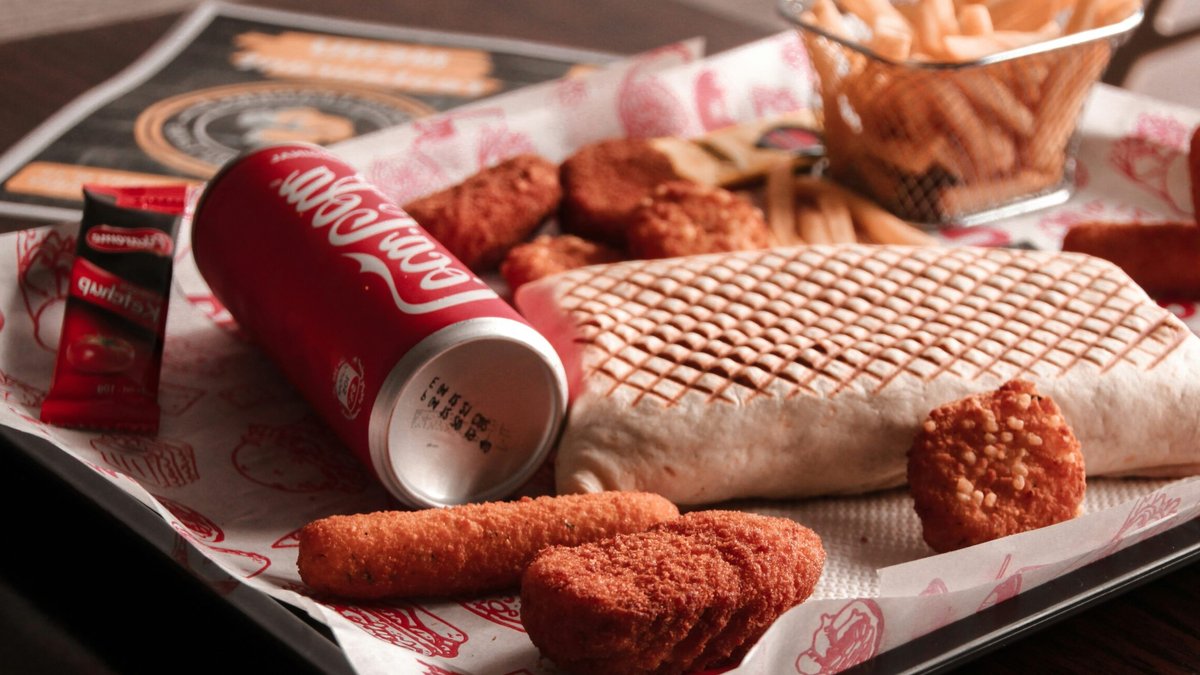
Consumption of highly processed food is linked to rising non-communicable diseases, with low- and middle-income countries seeing the fastest increases. A trillion-dollar food industry sues to keep prevention at bay while governments spend billions subsidising the drugs that treat what bad diets do. Meanwhile, Ebola outruns a hollowed-out WHO, and its Director-General’s legacy hangs on whether he can get a grip. Last week’s most telling global health story was not about welfare but lawfare. A team of investigative journalists exposed the pandemic of litigation unleashed by ultra-processed food companies against the policies meant to restrain them: warning labels, junk-food taxes, marketing limitations. The companies brought 239 lawsuits across Mexico, Colombia, Brazil, US, UK, and India between 2010 and 2025. Eight multinational corporations including Coca-Cola, PepsiCo, Mondelēz and Danone, accounted for nearly two-fifths of the cases identified by the Netherlands-based Lighthouse Reports team of journalists. Although the industry lost three-quarters of the suits concluded, litigation snarled up health ministries for a cumulative 595 years in court. This tactic is straight out of the tobacco industry playbook, the aim being to delay, deter, and derail reforms. Including by suing, if all else fails. One Mexican bottler argued that its soft drinks were safer than local water. Colombian food-and-drink companies gave €5.85 million to political parties, two-fifths of all such donations in a year. In India, legislation mandating front-of-package labeling has been stalled since 2014, with companies suing social media influencers who post nutritional breakdowns of food products such as instant noodles and baby food. In the European Union, EU-wide food policy regulations for ultra-processed foods (UPFs) don’t adequately address their systemic health risks. But attempts by individual nations to enact more stringent regulations, taxes or front-of-package labeling rules on UPFs would face challenges under the EU’s single-market and competition rules. The chilling effect on public health policy-making is not a by-product of strategy; it is the strategy. Walking on the beach in the fishing village of Belle Garden, Trinidad and Tobago in the Caribbean. Small island states are among the low- and middle-income nations that have seen local diets edged out by imported ultra-processed foods, fueling an epidemic of obesity. Set that against the direction health policy is travelling – with 2026 crowned as “the year of obesity pills.” WHO issued its first global guideline on GLP-1 medicines for obesity. The US launched a Medicare GLP-1 Bridge, offering beneficiaries a month of weight-loss drugs for $50, and European health systems have opened conditional access. The real story is around ‘money’. The global processed-food industry is valued at an annual $2.2 trillion, rising toward $3.4 trillion by 2035. The GLP-1 market stood at $79 billion in 2025 and is forecast to reach $190 billion by then. The antidote, in other words, is around one-twenty-eighth the size of the products creating the problem – a downstream market spun off from an upstream one. Both are dwarfed by the costs of the diseases caused by unhealthy diets. Overweight and obesity will cost the world more than $4 trillion a year by 2035, over 3 percent of global GDP, comparable to the Covid-19 shock in 2020. So, the public purse is asked to subsidise the cure at the very moment efforts to mitigate the cause are litigated into paralysis. Globally, WHO estimates that 22% of men and 14% of women will die prematurely (before age 70) due to a non-communicable disease (NCD), with the highest rates in Africa and Asia where timely diagnosis and treatment are harder to access. This is not an either/or argument for prevention rather than treatment. GLP-1 drugs are genuinely transformative and widening access is a real good for the 4 billion people in 2035 – 51% of the globe who are overweight. The

US revises HIV policy to cover all at risk


