US Cuts HIV Funding by 25% for 2025
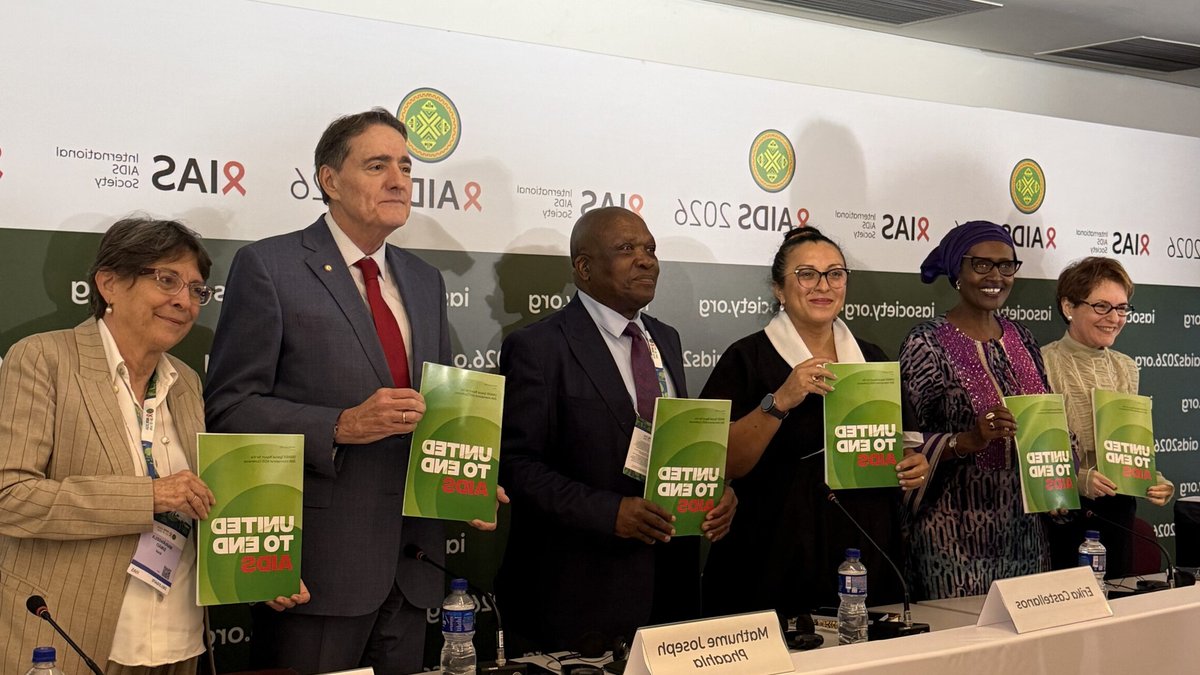
Donor funding for HIV fell sharply in 2025, with the United States cutting its contributions by 25 percent, according to analyses from KFF and the Joint United Nations Programme on HIV/AIDS (UNAIDS).
US cuts drive historic decline in global HIV aid
In 2025, U.S. disbursements for HIV totaled $4.6 billion, down from $6.7 billion the year before. The reduction represents a loss of $2.1 billion, the largest single‑year drop on record, bringing total international funding back to 2007 levels.
Other major donors kept their 2025 spending steady at $1.6 billion, but that amount is only half of what they collectively gave in 2011. The United States remains the largest donor, accounting for 74 percent of all government‑funded HIV aid in 2025, up from 59 percent in 2011.
The funding gap has immediate consequences for prevention programs. UNAIDS reports that pre‑exposure prophylaxis (PrEP) initiatives and condom purchases “declined drastically and suddenly between 2024 and 2025 in some countries.” In nations with high HIV prevalence, financing for condom distribution fell by 93 percent, while support for enabling policies dropped by 80 percent.
Related: Burntwood’s Brilliance: A Comprehensive Ring Buying Guide
In Cameroon, Nigeria and Zambia, the number of people receiving PrEP fell by more than half. A new study estimates that over 75,000 new infections could occur within a year if the U.S. President’s Emergency Plan for AIDS Relief (PEPFAR) is fully withdrawn without replacement funding.
Domestic resources cannot fill the void alone
UNAIDS notes that around 60 percent of the HIV response now relies on domestic financing, a figure that reflects growing self‑reliance in affected countries. South Africa’s Deputy Minister of Health, Dr Joe Phaahla, said African nations are boosting domestic investment, yet the abrupt 25 percent cut forced governments “to make very difficult prioritisation decisions at a very high speed.”
He warned that the cuts have strained the supply of medicines, commodities, PrEP, treatment items, community health workers, and data systems. “No country can replace the scale of international partnership that has driven the global HIV response for decades,” Phaahla added.
The pandemic’s broader context includes rising debt burdens and recurring humanitarian crises, which together limit the capacity of low‑income governments to sustain health programs. This backdrop helps explain why many nations cannot simply increase their own contributions without external aid.
Related: Gulf Medical University opens new simulation hubs
UNAIDS director‑general Winnie Byanyima warned that the funding cuts jeopardize the 2030 targets to reduce new HIV infections by 90 percent compared with 2010 levels. She highlighted that each day sees roughly 3,400 new infections and 1,600 AIDS‑related deaths worldwide.
Despite these challenges, the International AIDS Society president, Dr Beatriz Grinsztejn, warned that losing UNAIDS would create a “big mess” for tracking infections, deaths, and treatment coverage. She called for the agency to remain operational, even if its structure changes.
The Rio de Janeiro conference opened with 7,000 delegates, and the theme “rethink, rebuild, rise” captured the urgent need to adapt strategies amid shrinking resources.
The gap threatens progress.

Africa regulator seeks broader health role


